Nixon Road construction starts soon. Sewer work will destroy the root systems of two ancient Bur Oaks at Northbury's Argonne entrance — established before the United States existed. We have days to stop it.
—
Registered Voters
—
Signatures
—
Nixon Road Neighbors
Today
~300 years of growth. Roots as wide as the canopy.
This root system is the tree. Damage it and the tree dies — slowly, irreversibly.
After Construction
The trench severs everything. The tree starves.
No water. No nutrients. A 300-year-old Bur Oak is dead within years. It cannot be undone.
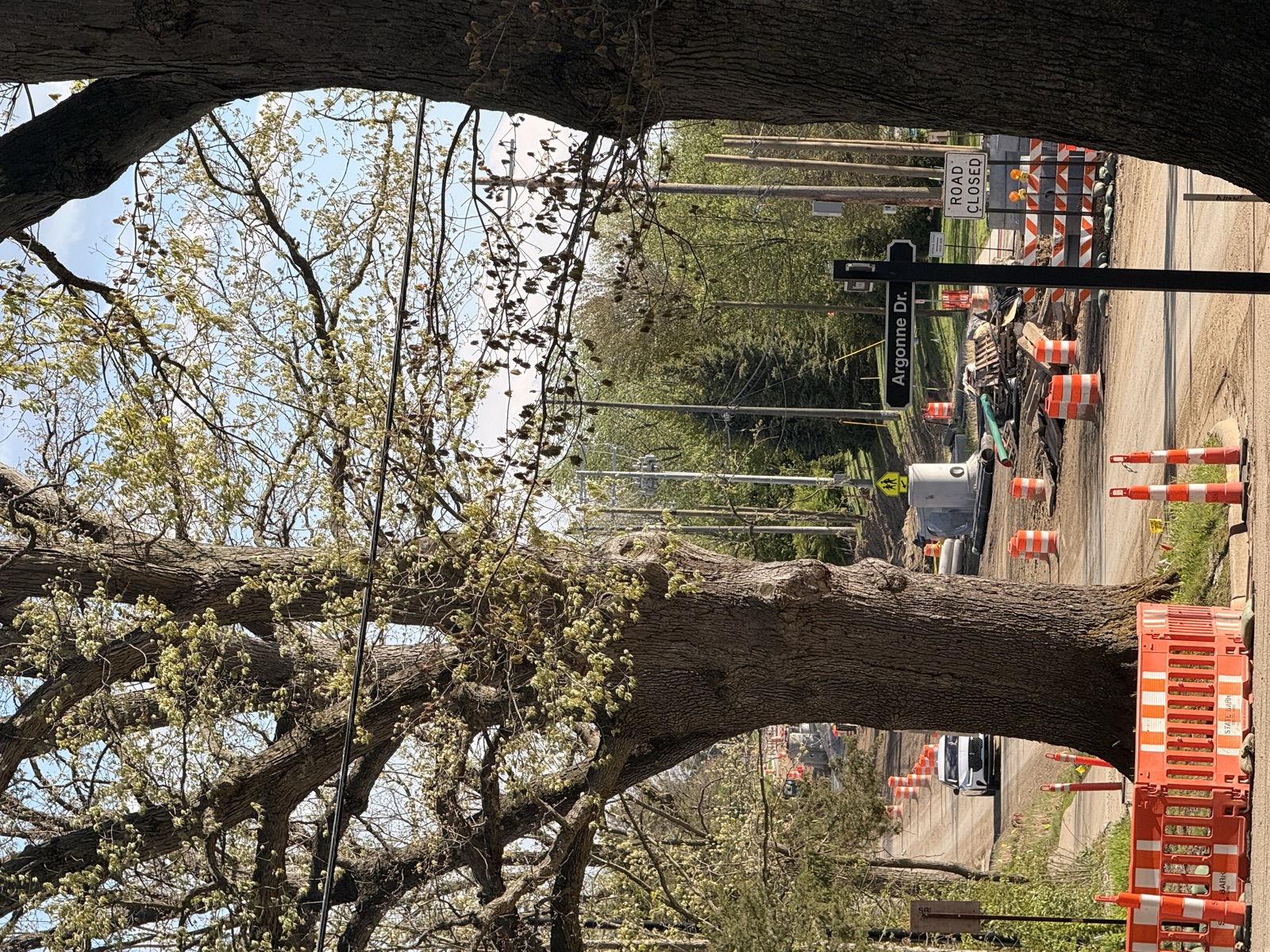
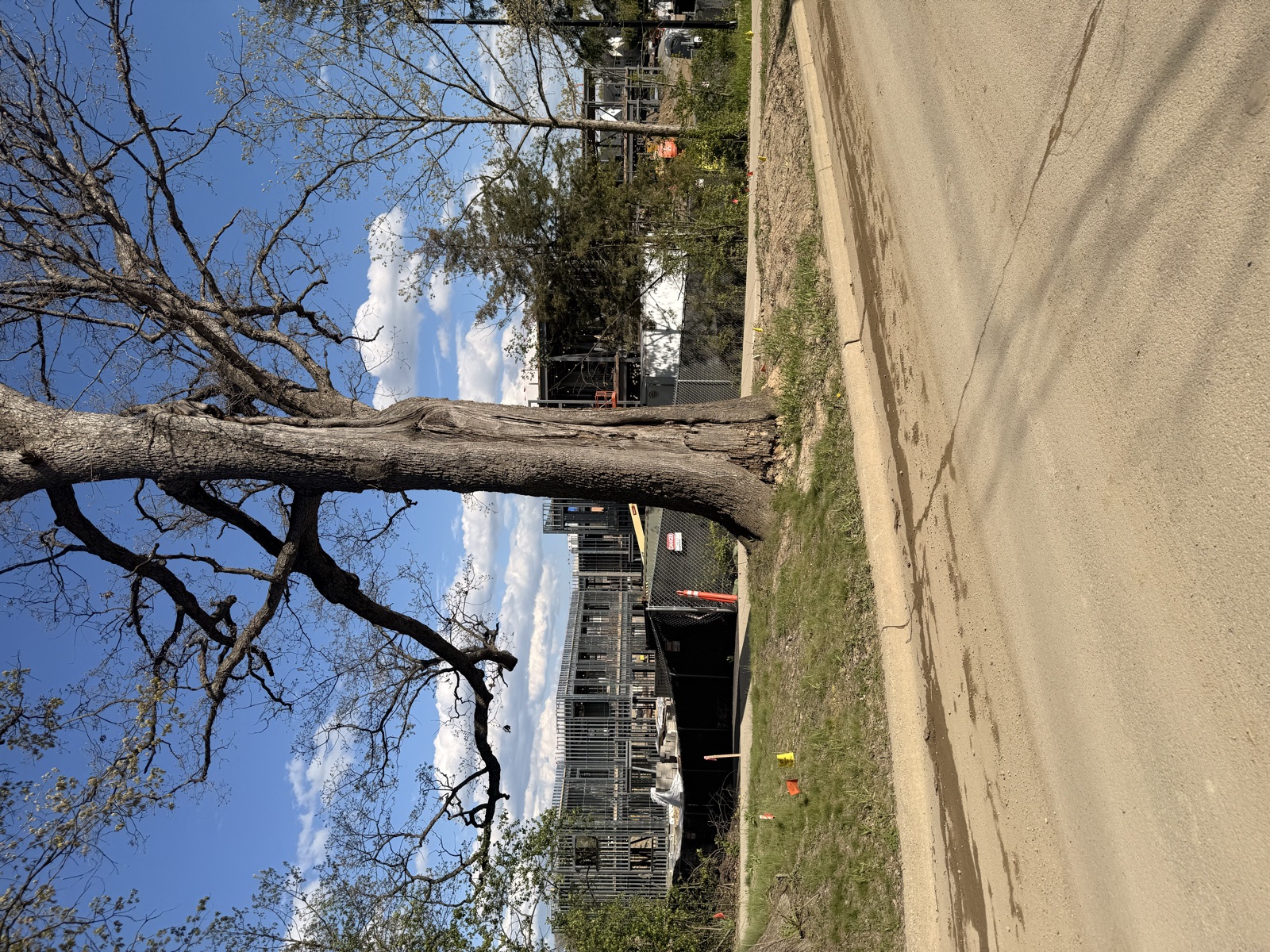
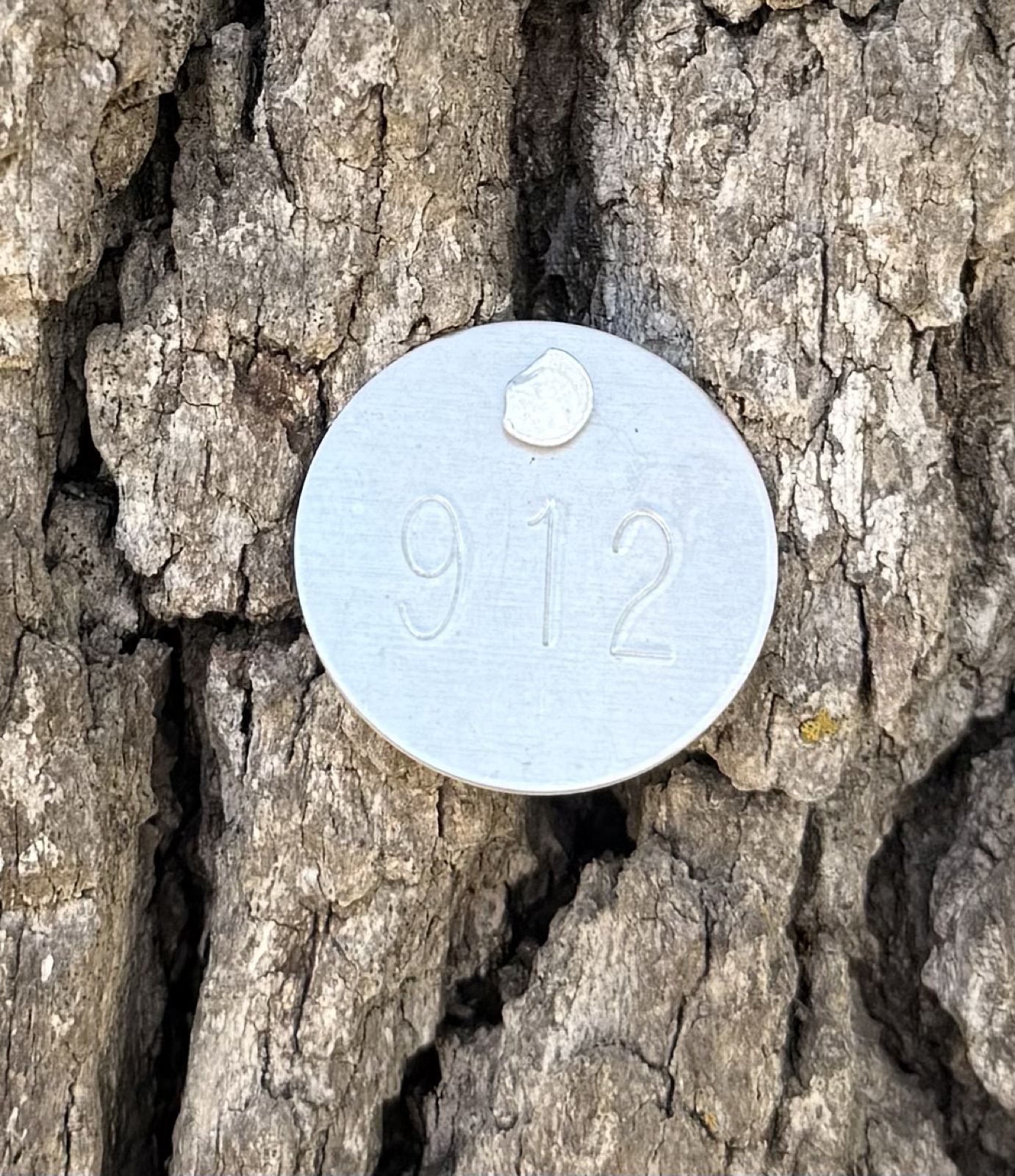
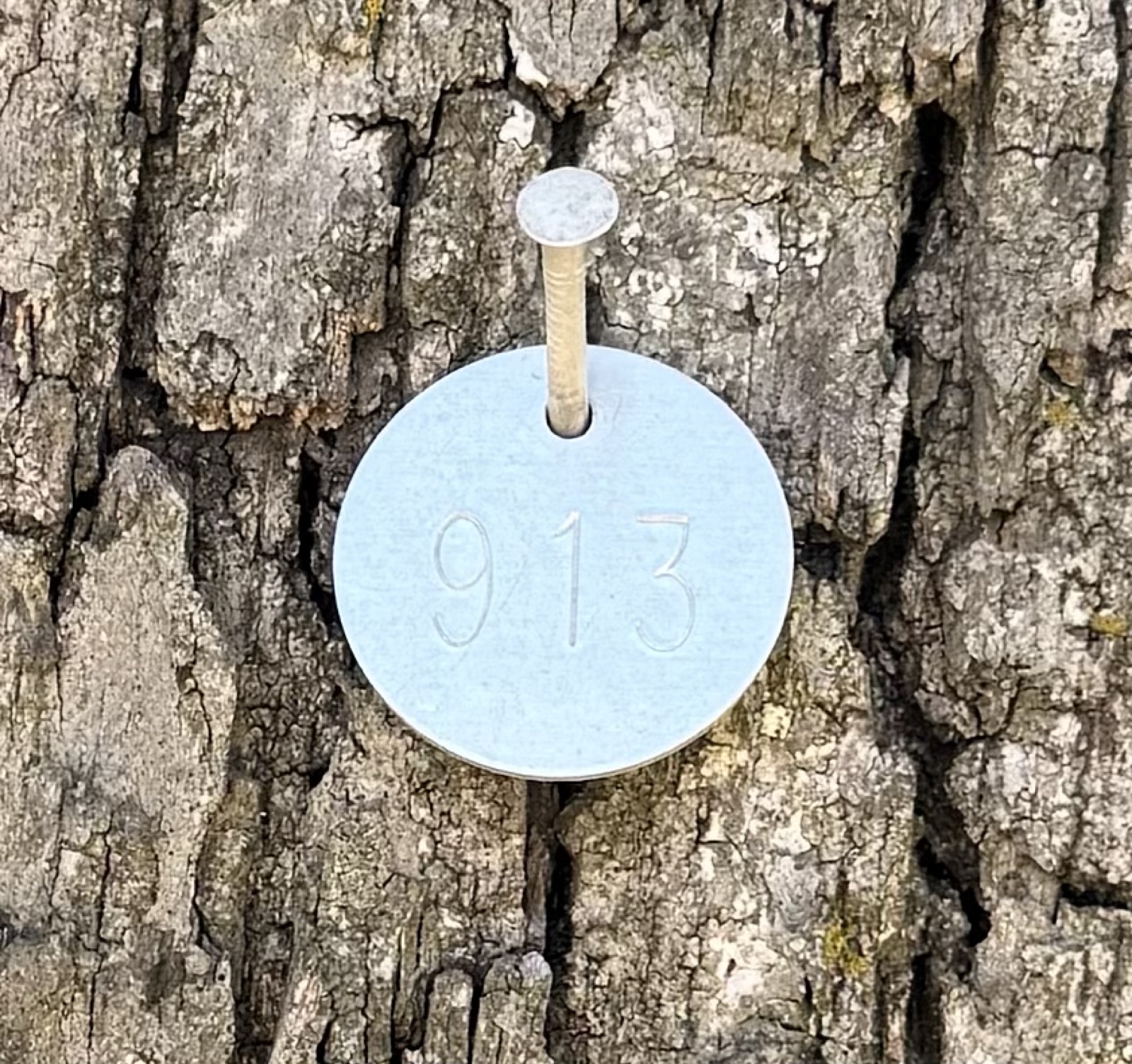
Barricades already at their roots — Argonne & NixonNew school rising behind them — the stakes on both sidesCity tag #912 — officially catalogued, not forgottenCity tag #913 — its companion, same age, same threat
Ann Arbor calls itself the city of trees. These oaks are the test.
Your community. Verified. On record.
What the community is saying
Be the first to add your voice and a comment above.
Why This Matters
🌍
A field of attraction — at the scale of a city. A flower draws bees through electromagnetic and chemical signals, creating a living field that sustains an ecosystem far beyond the flower itself. A 300-year-old Bur Oak does the same thing — but at the scale of a neighborhood, a city, a century. It sustains soil microbiomes, insect communities, bird populations, air quality, and human wellbeing in ways science is only beginning to measure. What David Attenborough showed us about the bee and the flower is true here — remove the anchor organism and the whole field collapses. These oaks are that anchor.
🌳
Bur Oaks — the oldest, slowest-growing oaks in Michigan. A measurement of 13 feet in circumference places these trees at an estimated 300+ years old, consistent with ISA forestry methods and a Bur Oak growth factor of 6.4. Bur Oak (Quercus macrocarpa) is the longest-lived oak species in the Great Lakes region, known to survive 300–400 years. These trees are at the outer edge of what any living person will ever see.
🇺🇸
These trees are older than the United States. Established around 1708, they were already 68 years old when the Declaration of Independence was signed in 1776. They were mature trees when George Washington was inaugurated in 1789, when Michigan achieved statehood in 1837, and when the Civil War ended in 1865. No one alive today will see anything like them again — Bur Oaks take centuries to reach this size.
🏛️
Older than Michigan, older than Ann Arbor. Michigan was established as a territory in 1805 — these trees were already nearly 100 years old. Ann Arbor was platted in 1824 — these trees were already 116 years old when the first settlers arrived. The University of Michigan moved to Ann Arbor in 1837 — these trees predated U-M's presence by more than a century. When these oaks were saplings, French explorers were still mapping the Great Lakes and the Odawa people were the primary inhabitants of this land.
🏡
Property values and the new school. A new school is being built directly adjacent to Northbury. Our values are rising. The Bur Oaks at our Argonne entrance are part of what makes this the premier address for U-M faculty and medical professionals. Their loss is a direct, irreversible financial harm to 166 units. No new planting can compensate — a replacement tree would take 300 years to reach this size.
⚠️
Trenching kills old Bur Oaks. Root systems of trees this age extend far beyond the canopy — often as wide as the tree is tall. For a tree 50 inches in diameter, the root zone extends 50–80 feet in every direction. Sewer pipe installation and road compaction within that zone cuts off water and nutrients. The tree may take years to die visibly, but the damage is done on day one and cannot be reversed.
What the community is saying
Be the first to add your voice and a comment above.